The most dangerous creature in the forest doesn’t roar, chase, or attack. It doesn’t look impressive and rarely draws attention. Yet it poses one of the most serious risks during long hikes, expeditions, and extended time in the wilderness. That creature is the tick.
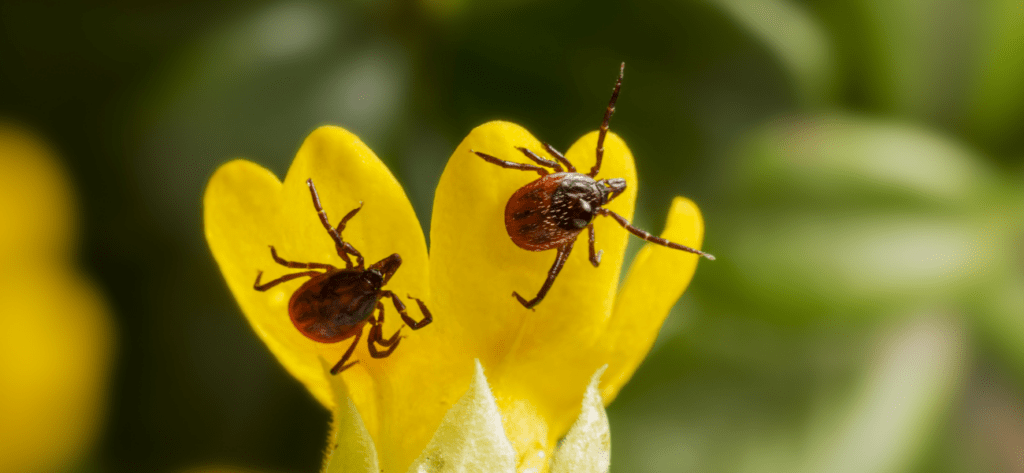
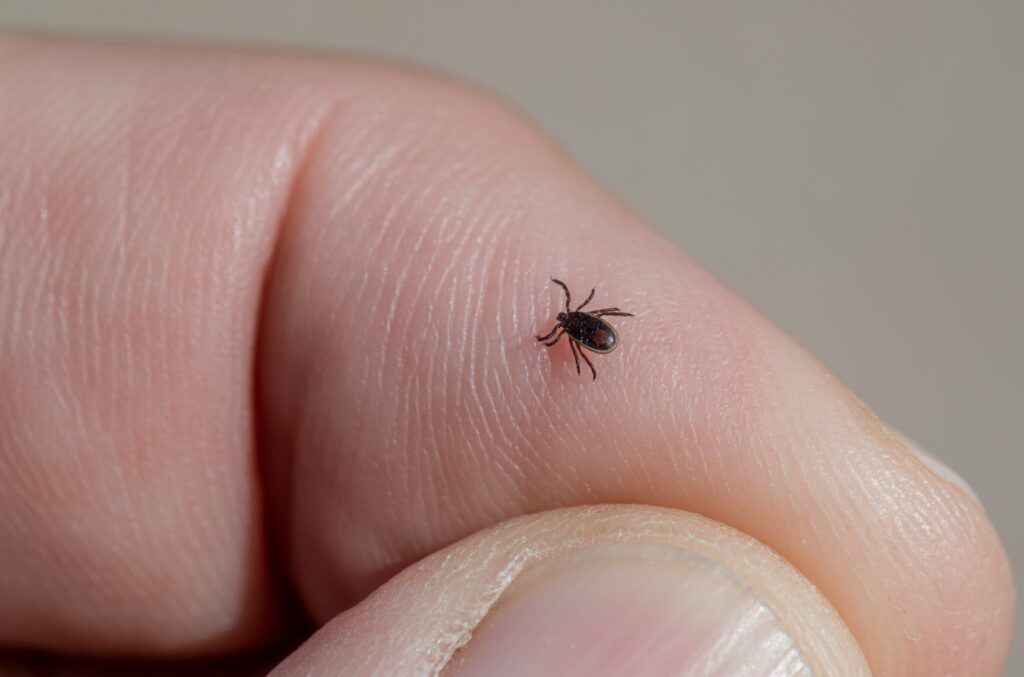
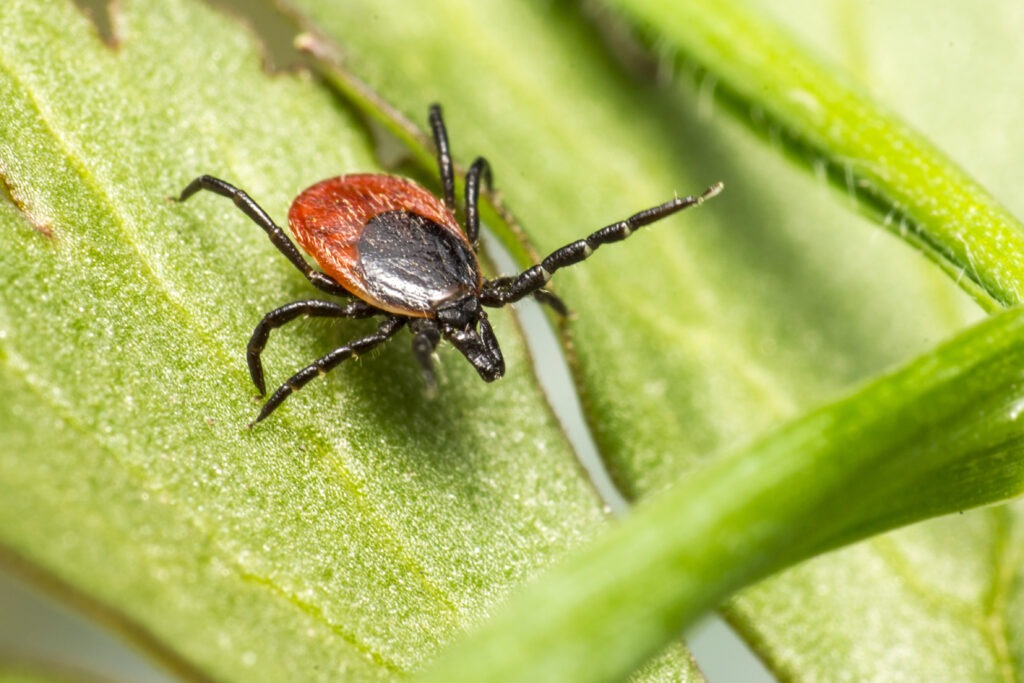
Ticks are small, often no more than a few millimeters long, and they exist in almost every natural environment: forests, meadows, wetlands, and even urban parks. Their danger does not come from aggression, but from their ability to transmit diseases such as Lyme disease, tick-borne encephalitis, and babesiosis. Not every tick is infected, and not every bite leads to illness, but the risk is real and should be taken seriously.
One of the most persistent myths is that ticks fall from trees. They do not. Ticks live close to the ground and climb grasses and low vegetation. When a human or animal passes by, they attach themselves from the lower body, most often through boots or pant legs, and then slowly move upward in search of a protected feeding spot.
This is why proper clothing is the most effective form of tick protection in the wild. Long pants, high boots, pants tucked into boots, and shirts tucked into pants create physical barriers that significantly reduce the chance of a tick reaching the skin. This is not about comfort or style, but about understanding how ticks move and behave.
Repellents can provide additional protection, but they should not be relied on as a single solution. Their effectiveness is limited in time and decreases with sweat, movement, and sun exposure. Substances with proven effectiveness include DEET, IR3535, and permethrin, which is used on clothing. Among natural options, only geranium oil has demonstrated measurable repellant effects against ticks.
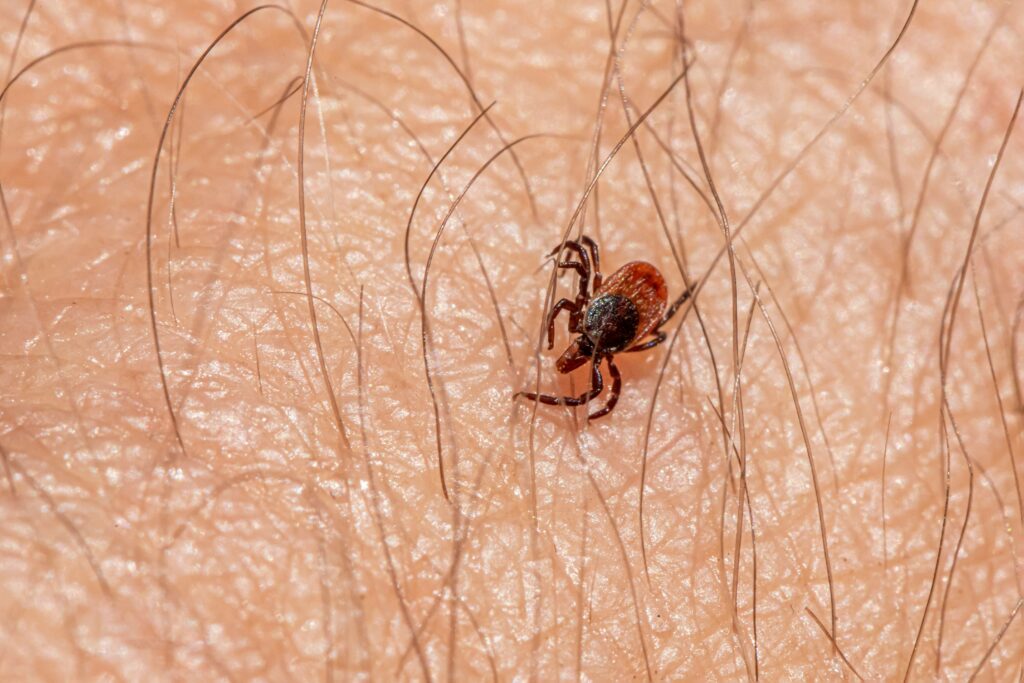
Equally important is what happens after returning from the field. Clothes should be removed and shaken out, and the body should be washed as soon as possible. Showering helps remove ticks that have not yet attached. A careful body check should focus on areas where ticks most often attach: groin, armpits, behind the knees, elbows, behind the ears, and along waistlines.
If a tick is found, it should be removed immediately and correctly. Using tweezers or a tick removal tool, the tick should be grasped as close to the skin as possible and pulled straight out with a steady motion. Burning, twisting, or covering the tick with oil should be avoided, as these actions can cause the tick to regurgitate pathogens into the body.
After removal, the bite site should be disinfected and observed. One of the most characteristic early signs of Lyme disease is an expanding rash known as erythema migrans. It is usually painless and does not itch, which makes it easy to miss. Flu-like symptoms following a tick bite should also be taken seriously and discussed with a medical professional.
Ticks are a part of the natural environment, and their presence should not discourage people from exploring the wilderness. The benefits of time spent outdoors — physical resilience, mental clarity, and connection with nature — far outweigh the risks when proper knowledge and habits are applied. Awareness, preparation, and responsibility are the foundations of safe exploration.
Auuuu! We use cookies to ensure that we give you the best experience on our website. If you continue to use this site we will assume that you are happy with it.