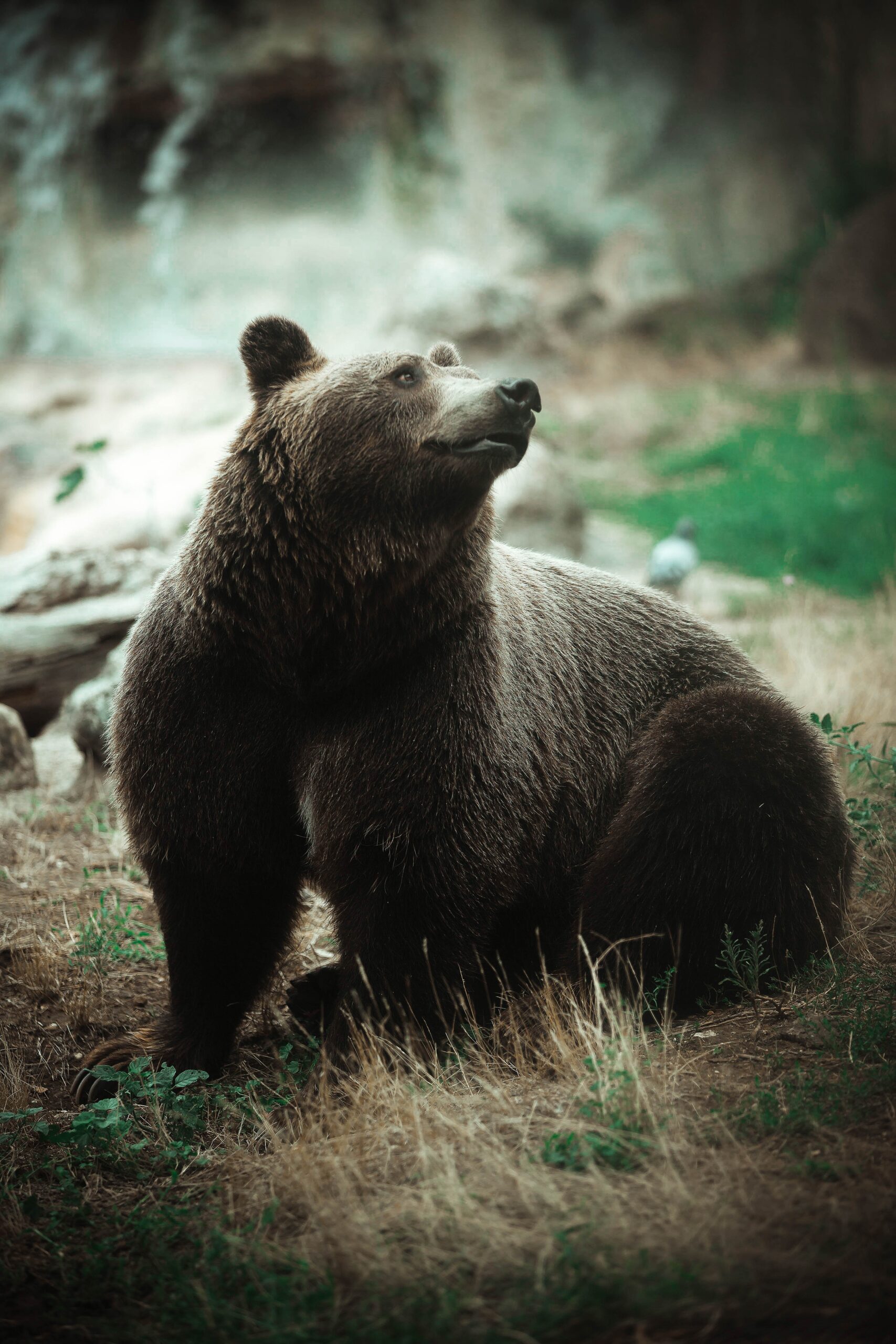
The Bear in the Białowieża Forest: History, Disappearance, and the Possibility of Return
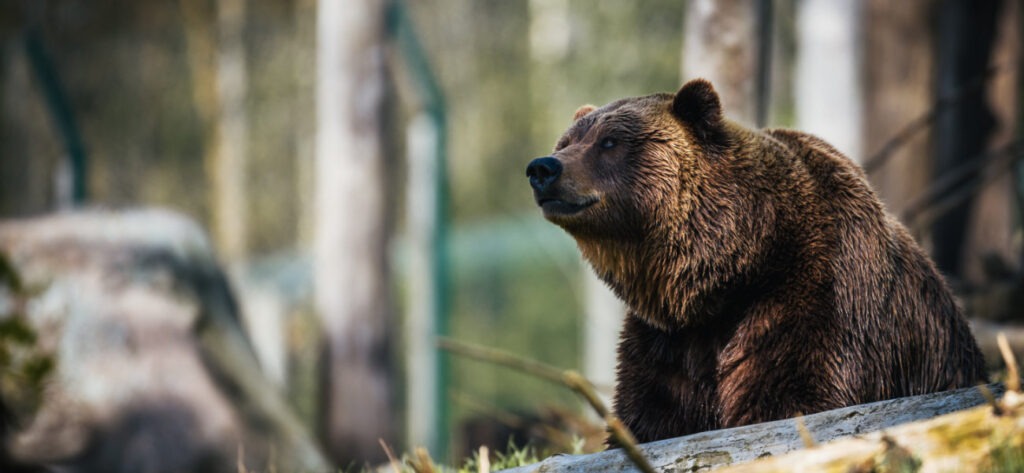
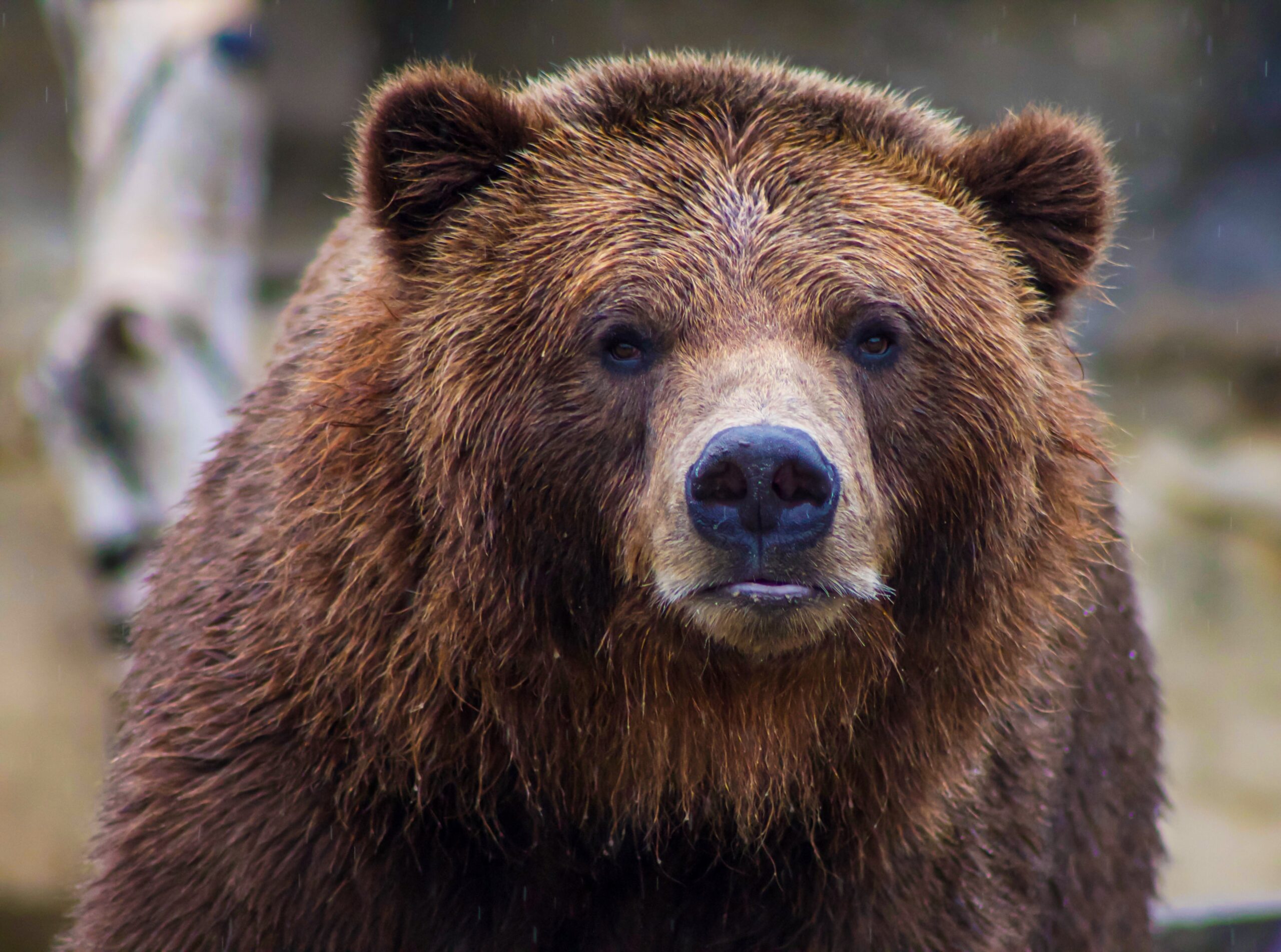
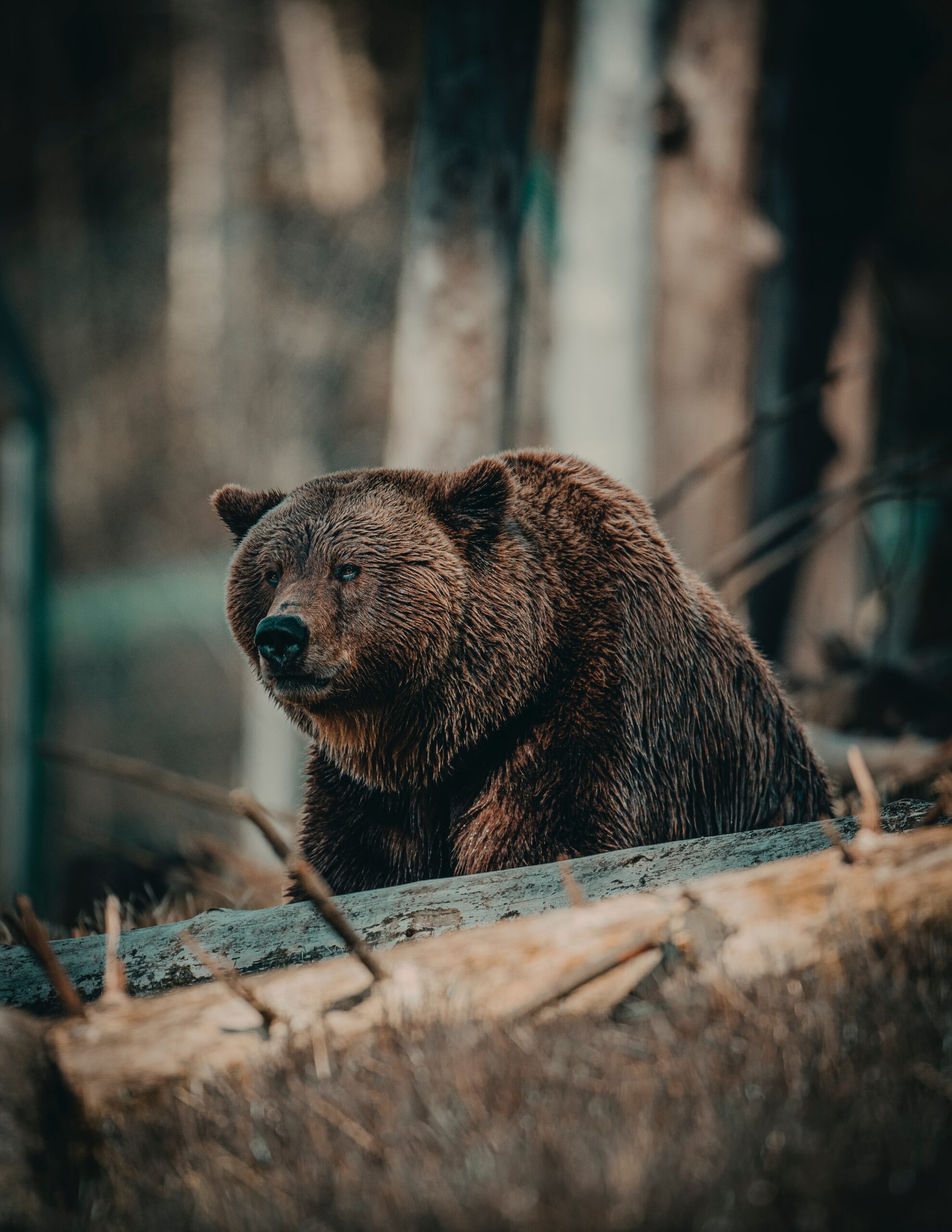
The brown bear (Ursus arctos) was once a natural and important part of the Białowieża Forest ecosystem. For centuries, this primeval forest—one of the last of its kind in Europe—provided suitable habitat for the continent’s largest terrestrial predator. Historical records confirm that bears lived in Białowieża long before their eventual disappearance.
Bears in the royal forest
From the late 14th century until 1795, the Białowieża Forest served as a royal hunting reserve of the Polish–Lithuanian Commonwealth. During this period, bears belonged to a privileged group of animals known as animalia superiora, along with European bison, elk, and red deer. These species were reserved exclusively for royal hunts.
Bears were legally protected, and killing one without permission carried severe penalties, including heavy fines and, in earlier periods, even death. Importantly, bears were not considered pests or enemies of the forest. There was no systematic effort to eradicate them, and references to bears in historical sources are relatively rare and generally neutral or positive.
A change in attitude and systematic extermination
The situation changed dramatically in the 19th century when the Białowieża Forest came under the control of the Russian Empire. Forest and wildlife management followed German hunting doctrine, which viewed large predators as a threat to valuable game species—particularly the European bison.
As a result, a policy of systematic extermination was introduced. Predators such as bears, wolves, and lynx were actively targeted. Although bears had never been numerous in Białowieża, they became one of the main objectives of predator control programs. By the mid-19th century, bears were already extremely rare. During a major imperial hunt organized in 1860, no bears were found in the forest. For the event to take place, bears had to be brought in from outside the region—clear evidence that the species was close to local extinction.
The last bears of Białowieża
The final documented killings of bears in the Białowieża Forest occurred at the end of the 19th and the beginning of the 20th century. One theory suggests that the last female bear from Białowieża did not die in the wild but lived to old age in captivity at the Berlin Zoo, reportedly as a gift from Tsar Nicholas II.
By the early 20th century, bears had effectively disappeared from the forest.
Reintroduction attempts
After Poland regained independence, conservationists began discussing the possibility of restoring bears to the Białowieża Forest. A reintroduction program was launched in 1937 under the leadership of Jan Jerzy Karpiński, director of Białowieża National Park.
Two approaches were tested. The first involved releasing semi-tame bears, which proved dangerous. These animals frequently approached villages, sought food, and came into conflict with people, leading to their removal or death.
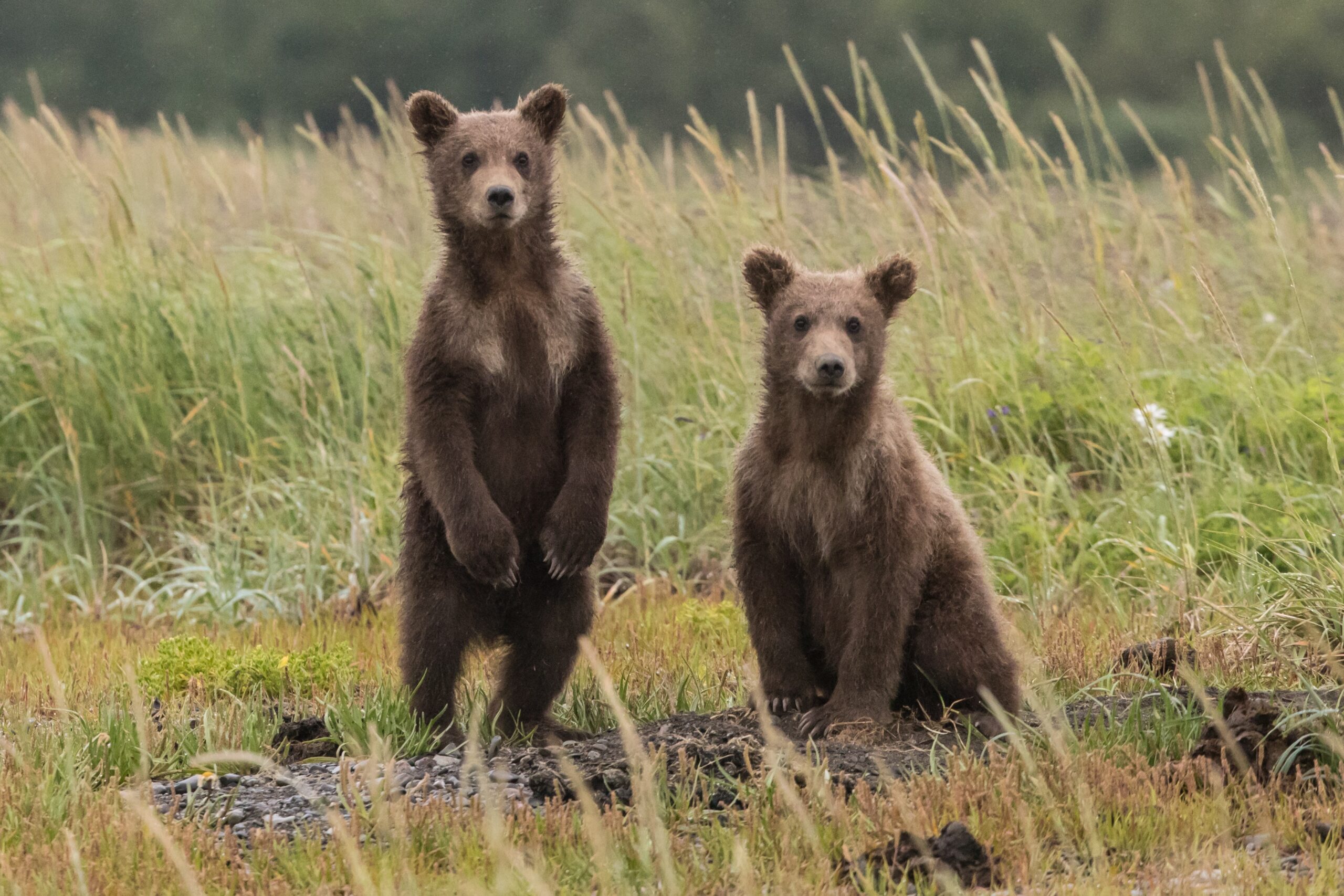
The second approach, known today as born to be free, involved raising cubs with minimal human contact. This method was successful. Two cubs adapted to life in the wild, survived their first winters, and likely lived independently for several years.
Bears after World War II
Despite the disruption caused by World War II, bears were still reported in the forest in the years that followed. In 1946, sightings of several individuals—including adults and cubs—were recorded. These animals were most likely descendants of the reintroduced population.
The last confirmed tracks in the Polish part of the Białowieża Forest were recorded in 1947, and in the Belarusian part in 1950. This suggests that the reintroduction effort allowed bears to persist in the forest for approximately 13 years.
Final observations and future prospects
The last verified bear-related incident occurred in 1963, when scientists confirmed tracks of a bear that briefly crossed from Belarus into Poland before returning. Decades later, in 2019, a single bear was again observed in the forest, likely migrating from the Naliboki Forest in Belarus.
From an ecological perspective, the return of bears would benefit the Białowieża Forest. However, modern border infrastructure between Poland and Belarus significantly restricts the migration of large mammals. As a result, the natural return of bears to Białowieża is currently unlikely.
History shows that the bear can survive in this forest—provided human decisions allow it to do so.
Auuuu! We use cookies to ensure that we give you the best experience on our website. If you continue to use this site we will assume that you are happy with it.