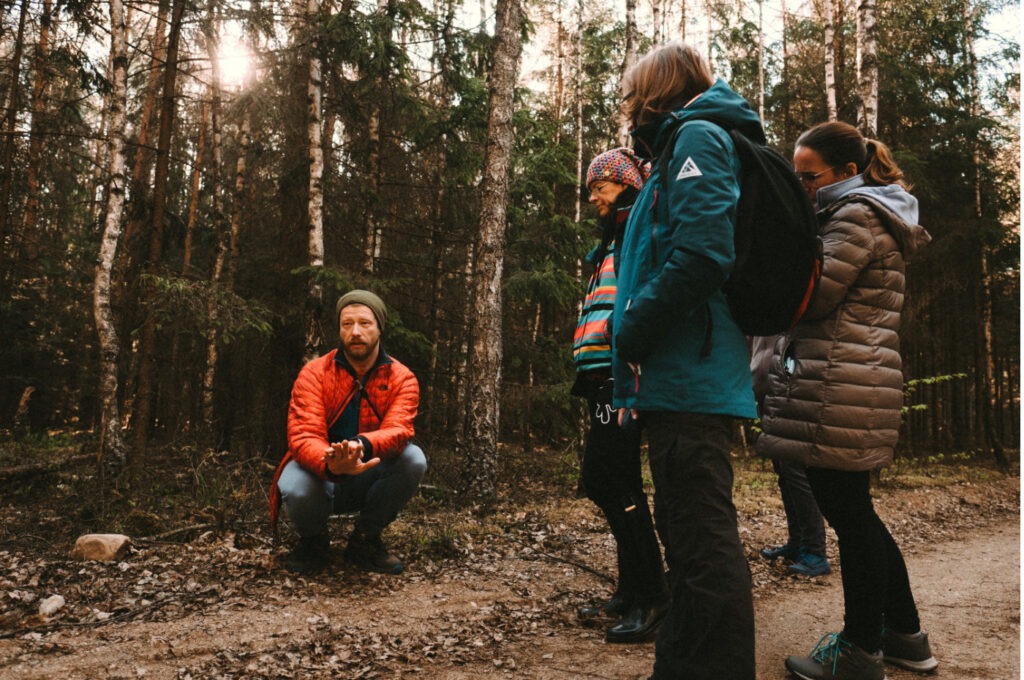
Wolves rarely reveal themselves directly, but the forest is full of signs of their presence. Tracks, scent markings, and scat form a silent language that wolves use to communicate — and that attentive observers can learn to read.
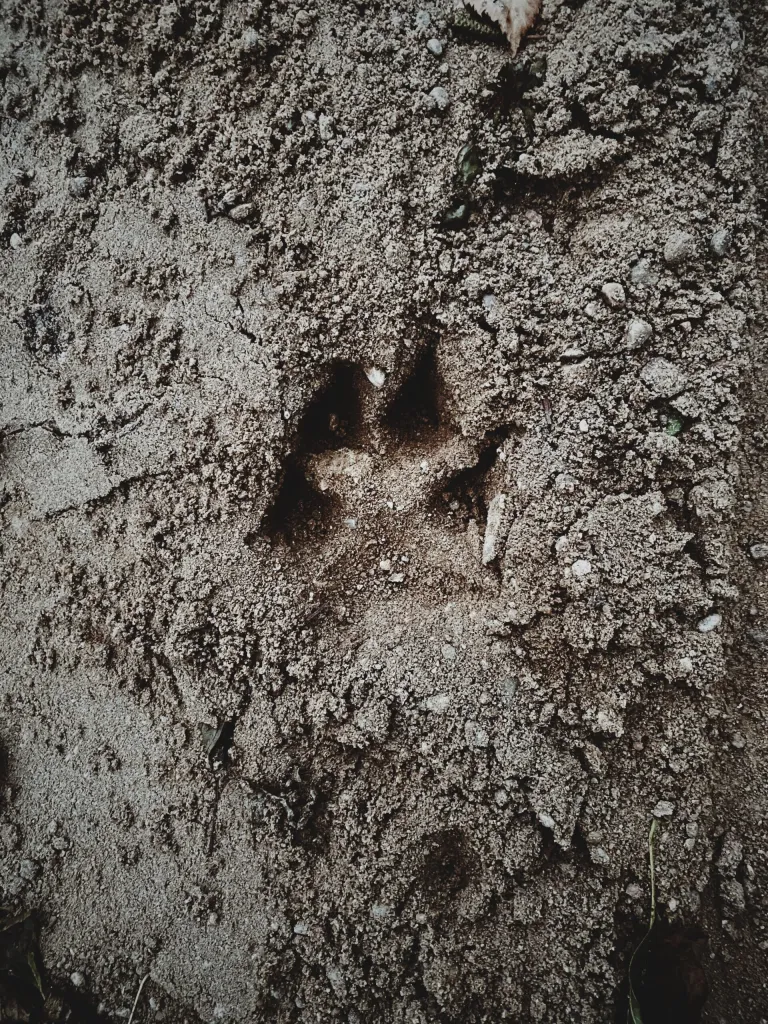
Wolf tracks differ clearly from those of domestic dogs. They are usually larger, more symmetrical, and follow a straight line. Wolves move efficiently, conserving energy and avoiding unnecessary detours, reflecting their experience and adaptation to the landscape.
Territorial markings play a crucial role in wolf communication. Scratching the ground, scent released from glands in their paws, and strategically placed scat all serve to define territory and convey information to other wolves. These signs reveal who passed through, when, and in what condition.
Wolf scat provides valuable insight into diet and pack behavior. Hair, bones, and tissue remnants reveal what the wolves have eaten and in what order. This information offers a glimpse into prey availability and the ecological balance of the area.
Learning to read these signs transforms how we experience the forest. It becomes more than a backdrop for a walk — it turns into a living system filled with relationships and stories written in tracks and traces. Tracking wolves is less about seeing them and more about understanding the language of the wild.
Auuuu! We use cookies to ensure that we give you the best experience on our website. If you continue to use this site we will assume that you are happy with it.