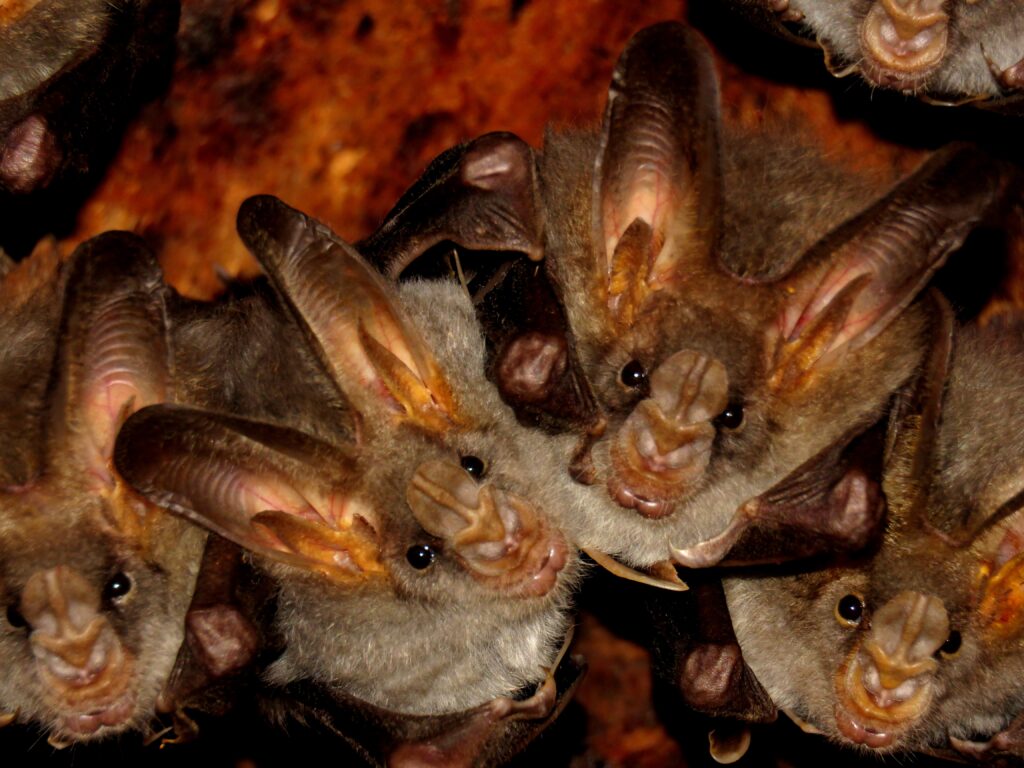
Are Bats “Sexy”? Biology, Myths, and Why They Matter
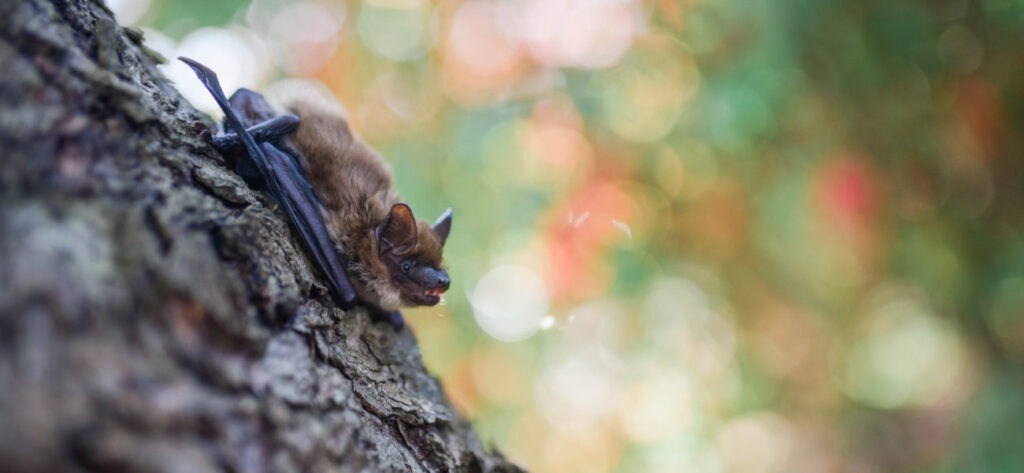
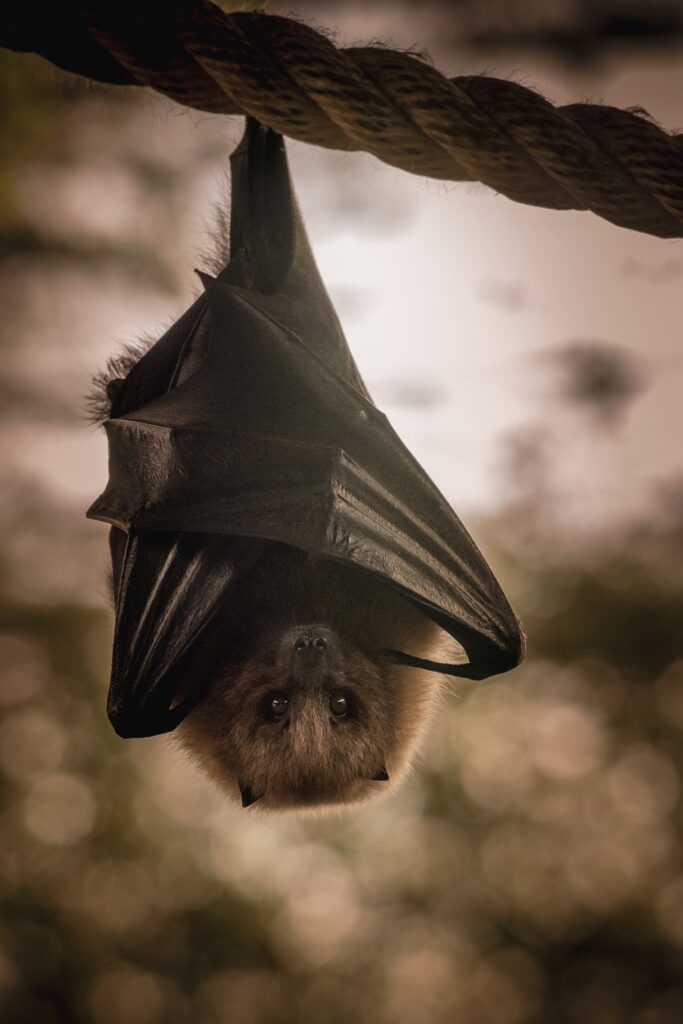
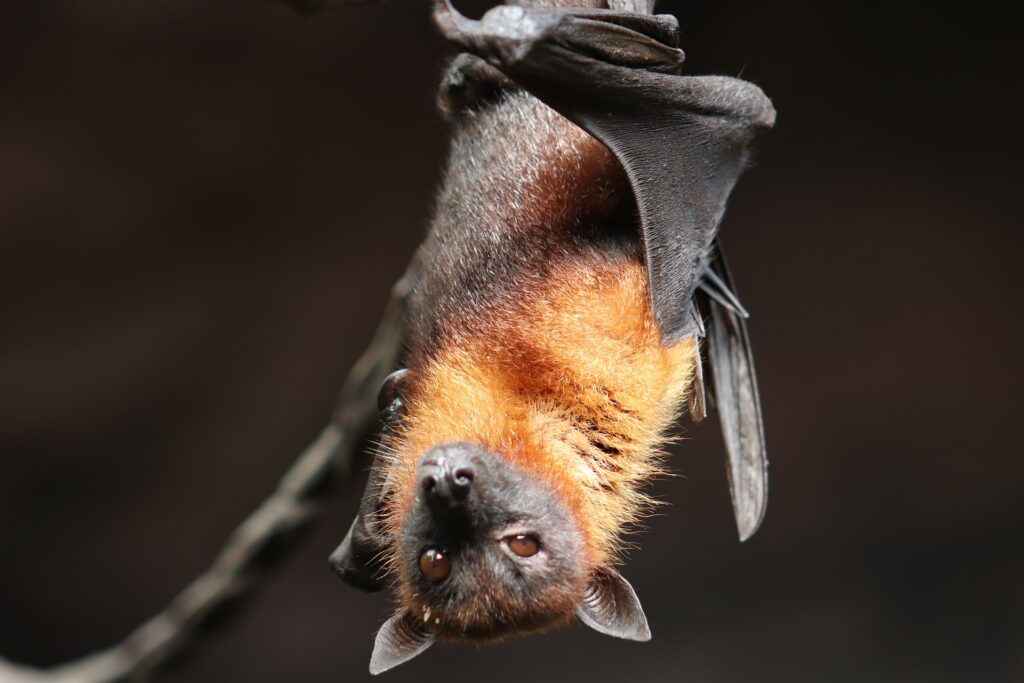
Bats are among the most misunderstood mammals in Europe. Often associated with darkness, fear, or disease, they are rarely perceived as charismatic wildlife. Yet bats are biologically extraordinary and play a crucial role in healthy ecosystems. In Poland alone, 27–28 bat species have been recorded, making bats one of the most diverse mammal groups in the region.
Bats in Poland and Central Europe
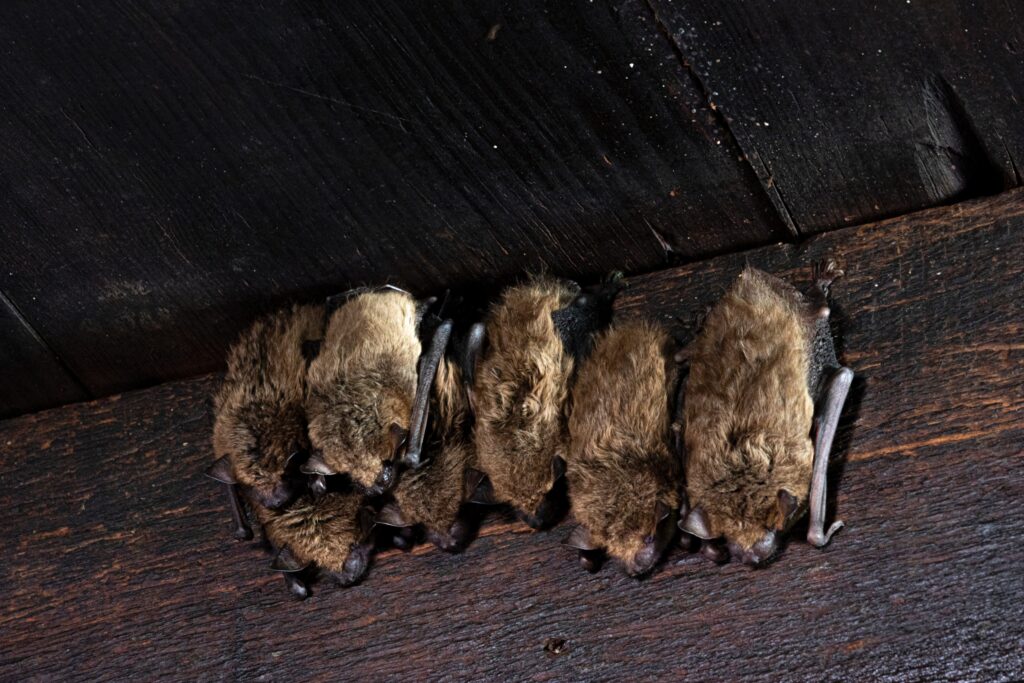
In northeastern Poland, including the Podlasie region, around 20 bat species occur regularly. Certain locations—such as abandoned bunkers, fortifications, and old buildings—act as bat hotspots. In a single night, researchers may encounter multiple species sharing the same site.
Common species include:
Western barbastelle (Barbastella barbastellus)
Brown long-eared bat
Daubenton’s bat
Natterer’s bat
These sites are critical for both research and bat conservation.
What is bat swarming?
One of the most remarkable bat behaviors is swarming. During late summer and autumn, bats from different populations gather at specific locations. This phenomenon is primarily linked to mating.
Bat swarming:
ncreases genetic diversity,
connects otherwise isolated populations,
is not always linked to hibernation sites.
Understanding swarming is essential for effective bat protection strategies.
Unique bat reproduction
Bat reproduction is highly unusual among mammals. Although mating occurs in autumn, fertilization is delayed. Females store sperm throughout winter hibernation, and pregnancy begins only in spring.
Additional features include:
multiple mating partners per female,
sperm competition,
in some species, male testes can reach up to 8% of body mass during the mating season.
These adaptations make bats a fascinating subject for evolutionary and ecological research.
Bats as indicators of climate change
Bats respond quickly to environmental change, making them excellent indicators of climate trends.
Current research shows that:
the western barbastelle is expanding its range,
species dependent on open water habitats, such as Daubenton’s bat, are declining due to river overgrowth and habitat loss.
Monitoring bats helps scientists track ecosystem health over time.
Myths, fear, and diseases
Bats have long suffered from negative stereotypes. In reality:
bats do not attack humans,
they do not get tangled in hair,
in Europe, disease transmission risk is extremely low.
While bats can host certain viruses, serious zoonotic spillovers are associated with regions where human–bat contact is intense. In Central Europe, such risk remains minimal.
Why bat conservation matters
Bats:
control insect populations,
reflect environmental change,
are legally protected across the EU.
They may not be “sexy” in the traditional wildlife sense, but bats are among the most important and fascinating mammals in Europe.
Auuuu! We use cookies to ensure that we give you the best experience on our website. If you continue to use this site we will assume that you are happy with it.