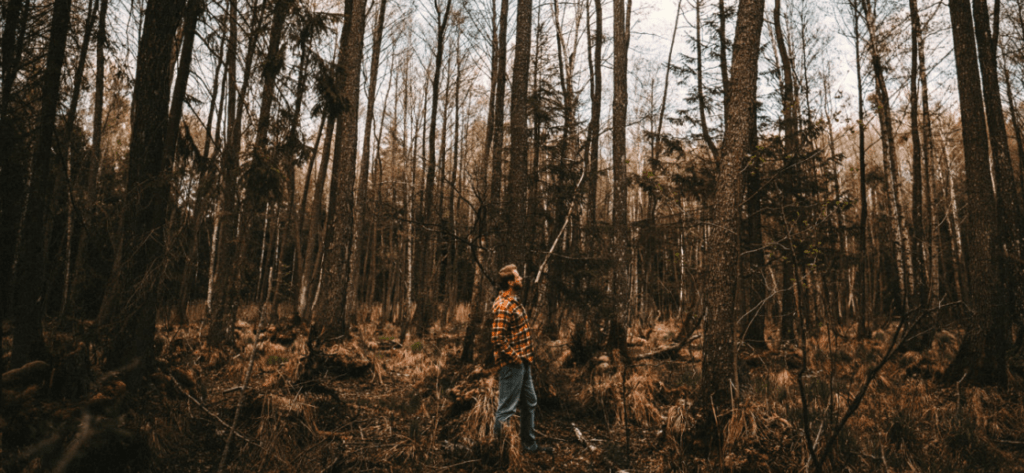
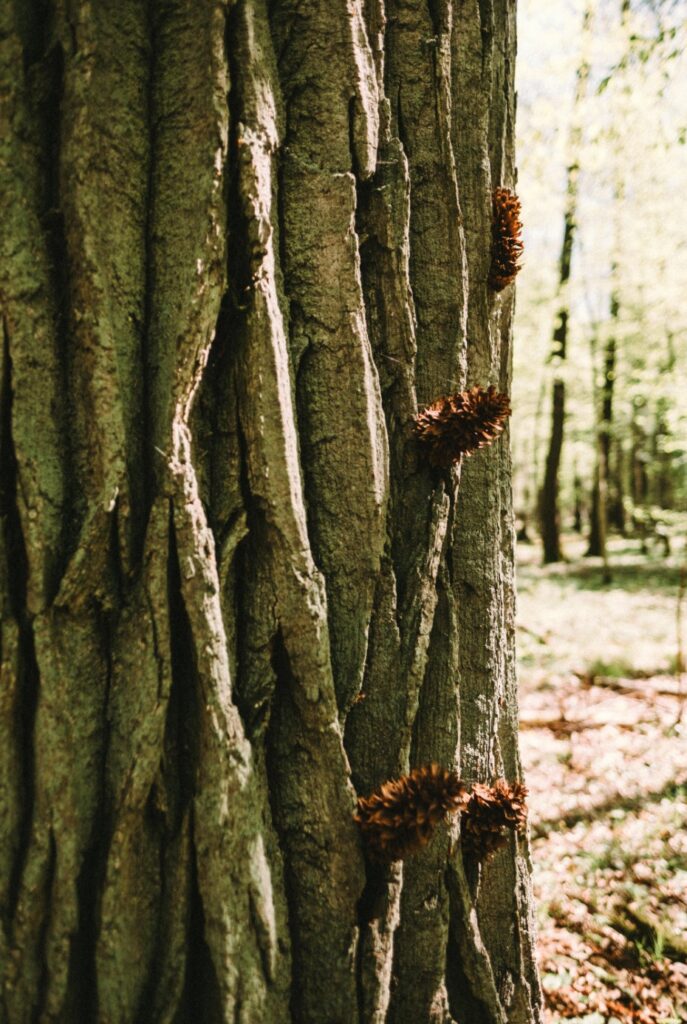
Recent research indicates that for 23 million years, Europe’s landscape consisted of a mosaic of open grasslands and sparse woodlands, rather than dense, dark forests.
This diverse ecosystem was maintained by the activity of large wild herbivores, such as elephants and bison, which prevented excessive overgrowth.
Modern efforts to create continuous, dense forest complexes appear to be at odds with the continent’s natural history and the evolutionary needs of many plant and animal species.
Scientists emphasize that the current lack of large grazing mammals has led to the development of unnaturally dense forests, negatively affecting biodiversity.
Instead of planting uniform forests, experts recommend restoring natural grazing in order to recreate sunlit, flower-rich habitats.
Understanding this past is crucial for effective nature conservation and proper planning of future rewilding efforts in Europe.
The research was conducted by Aarhus University in Denmark.
Auuuu! We use cookies to ensure that we give you the best experience on our website. If you continue to use this site we will assume that you are happy with it.