Autumn in the forest smells of moisture, decay, and life returning to the soil. And where there is autumn, there are fungi. But this is not a foraging guide. It is a story about fungi as one of the most fundamental forces shaping life on Earth.
During a walk through the Białowieża Forest with Wojtek Furmanek, a naturalist and former fungal researcher, a provocative idea emerges: “If God existed, He could be a fungus — because fungi are everywhere.”
Fungi are everywhere
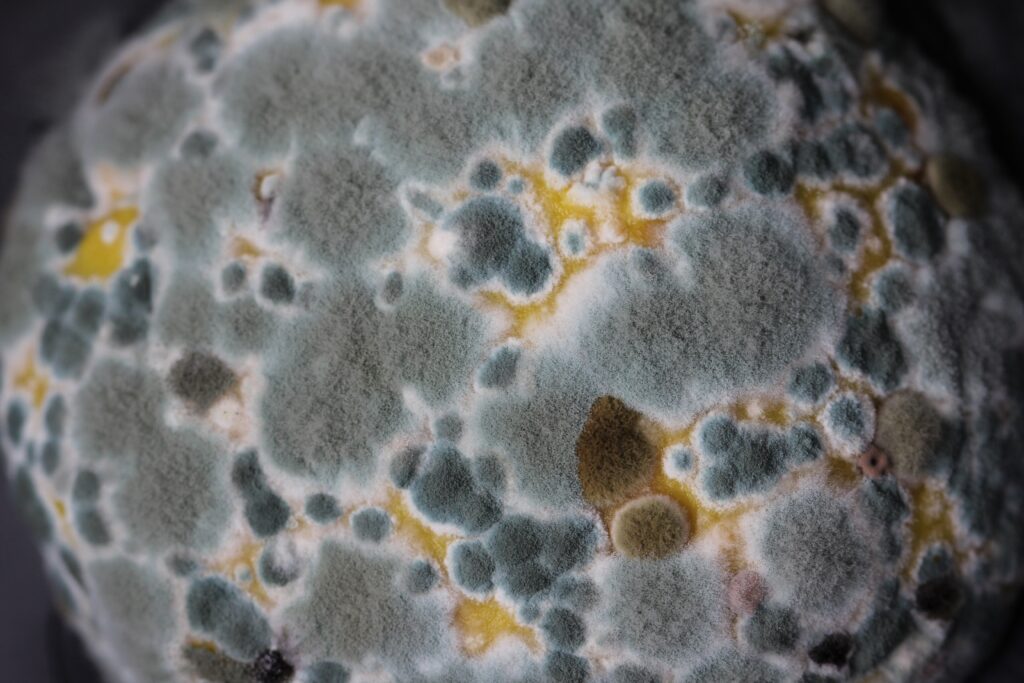
Open your fridge — molds. Look inside your closet — yeasts. Put on your shoes, sit in a modern glass office building — fungal spores are there too.
Fungi travel through the air, settle on our bodies, our clothes, our food. Even the most artificial environments are never truly sterile. Fungi are constant companions.
The invisible organism beneath your feet
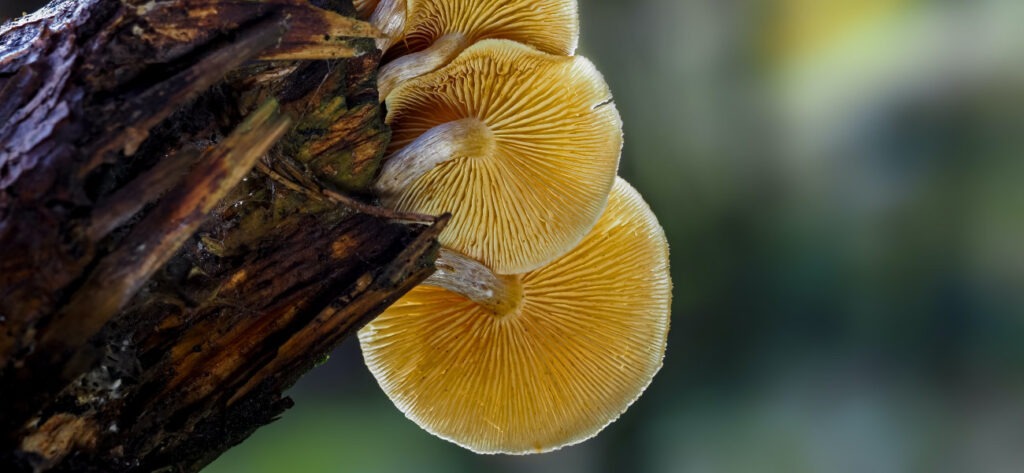
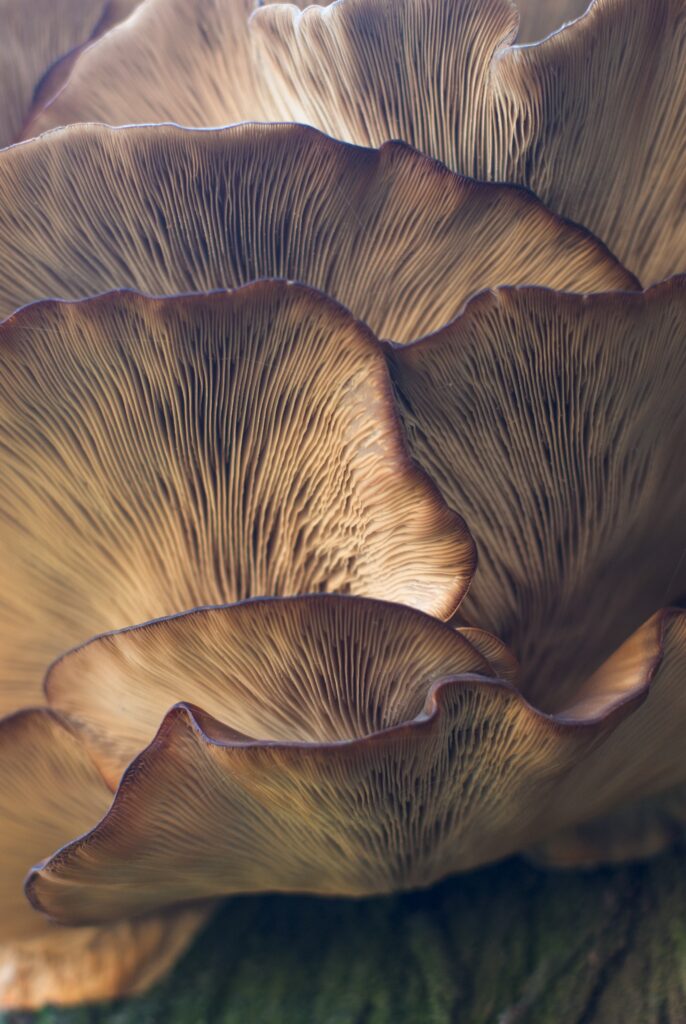
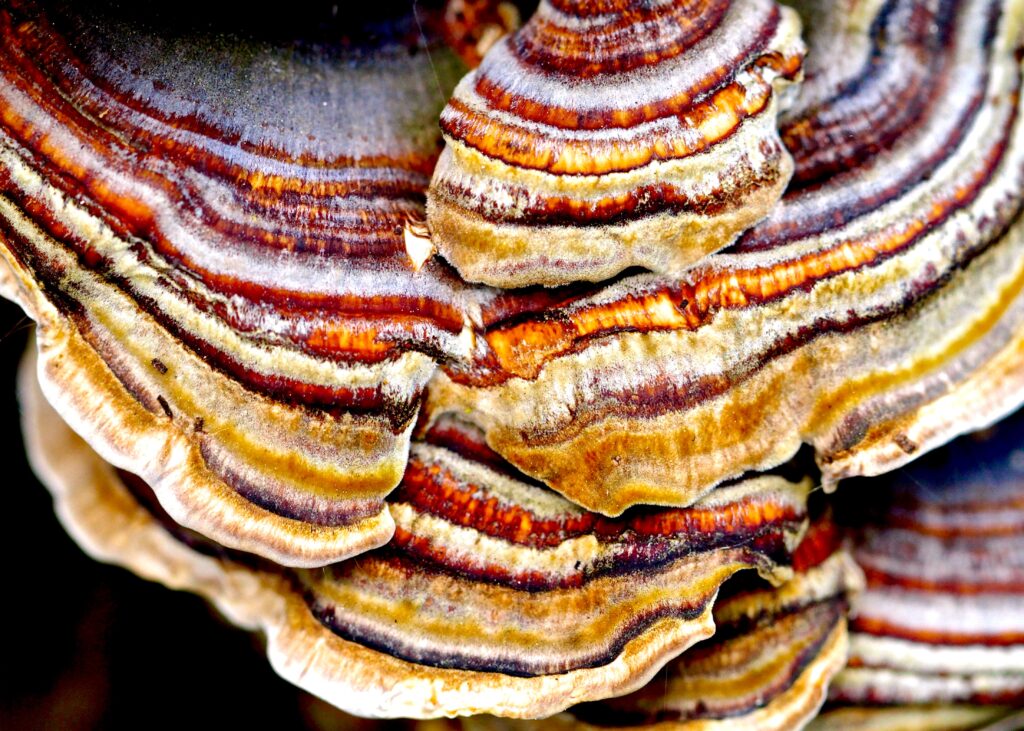
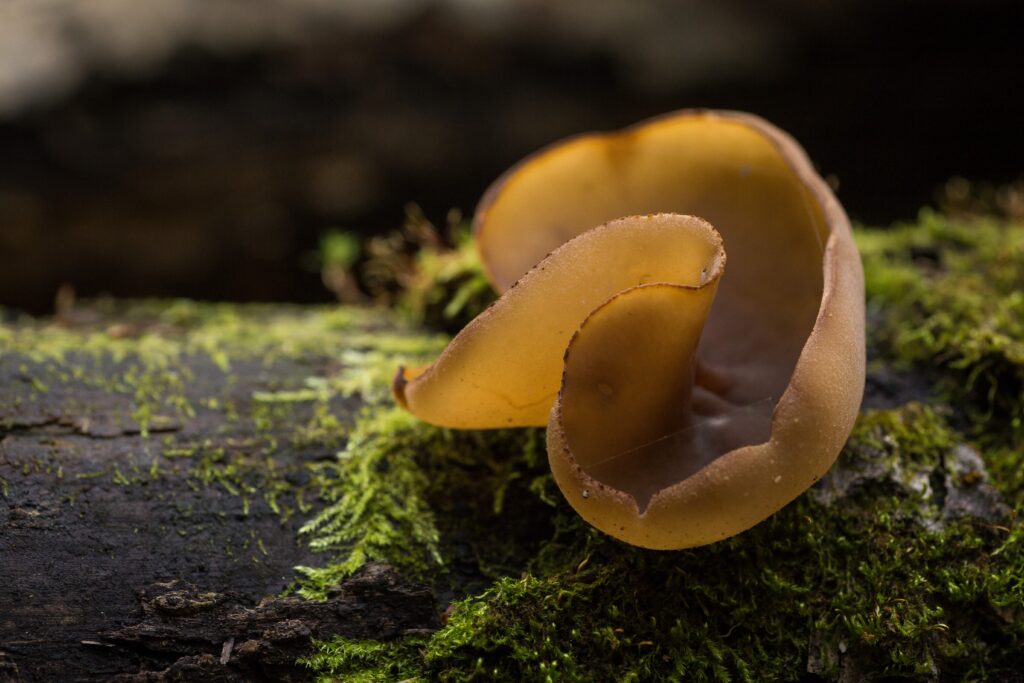
What we call a mushroom is only the fruiting body. The real organism — mycelium — is hidden underground, inside wood and soil.
On a single square meter of forest soil, there may be hundreds of kilometers of fungal threads. In just one handful of earth, scientists can detect over 100 species of mycorrhizal fungi.
Mycorrhiza: the foundation of forests
Fungi form intimate partnerships with trees through mycorrhiza. Trees provide sugars; fungi supply water and nutrients. Without this cooperation, forests could not survive.
In Białowieża Forest, fallen trees and decaying wood are not signs of neglect — they are signs of a functioning ecosystem, driven largely by fungi.
A world without fungi?
Without fungi:
dead wood would accumulate endlessly,
nutrients would not return to the soil,
ecosystems would collapse.
Even humans rely on fungi to break down organic matter. Without them, life would quite literally pile up.
Fungi and human culture
Fungi helped shape civilization:
fermentation and alcohol,
bread and cheese,
antibiotics and emerging medical therapies.
We still know remarkably little. Scientists estimate millions of fungal species, yet only a fraction have been described. Their future role in medicine and ecology may be revolutionary.
Strange, ugly, and essential
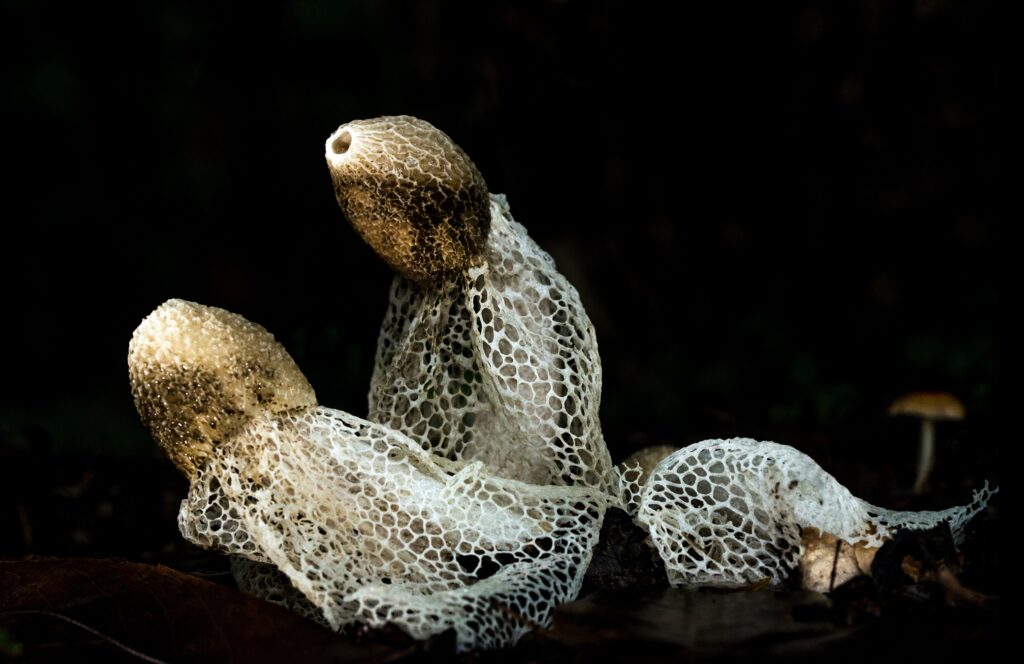
Some fungi are beautiful. Others, like the stinkhorn mushroom, smell of rot and resemble human anatomy. Their strategy is simple: attract insects to spread spores.
Fungi do not need to be appealing. They only need to work — and they do.
So maybe…
If we imagine a being that is:
omnipresent,
invisible,
essential for life,
older than forests and humans,
then fungi fit surprisingly well.
Auuuu! We use cookies to ensure that we give you the best experience on our website. If you continue to use this site we will assume that you are happy with it.