
— The project that inspired and fueled the creation of the Foundation!
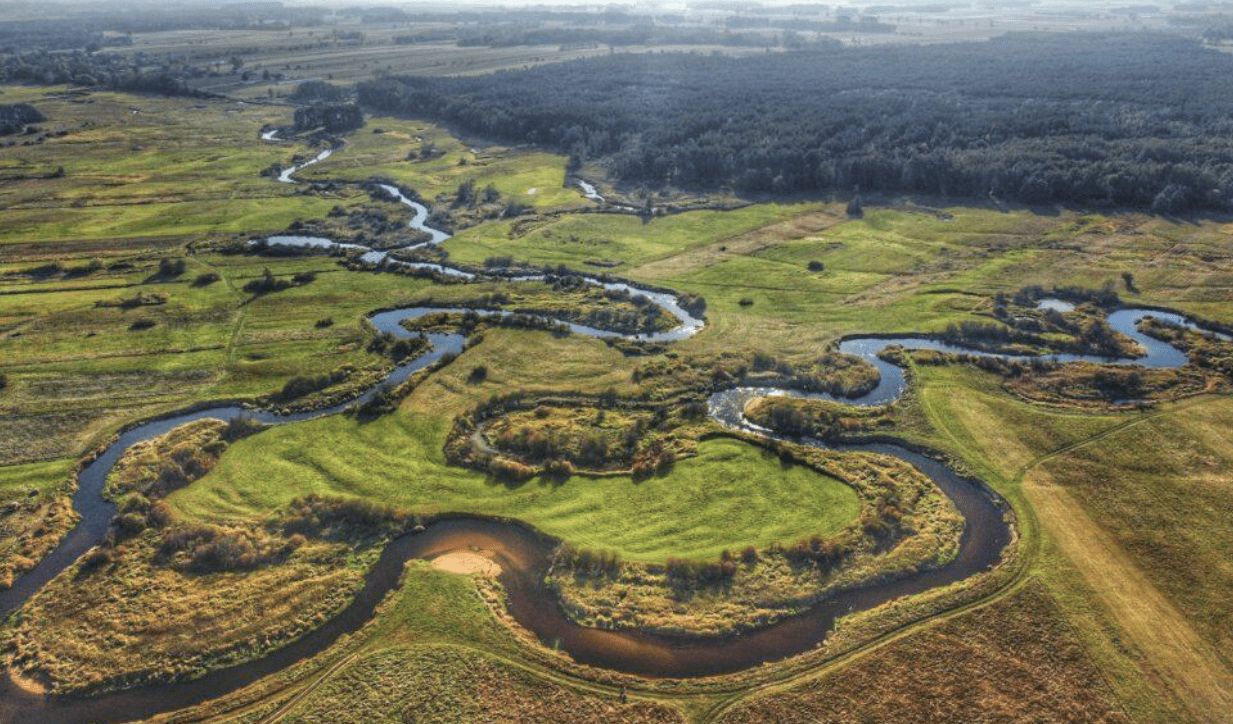
The project focused on protecting one of the last truly wild rivers in Poland — the Bug River. As described in the media:
“The idea is simple — a rafting expedition on a traditional flisak raft down a wild river is meant to draw attention to the Bug and make Poles aware of the condition of our rivers, which politicians intend to regulate.” (Newsweek)
As a result of the Foundation’s activities, the creation of a citizen reserve was also announced — the purchase of riverside land where no logging, hunting, or commercial activity will take place. (Newsweek)


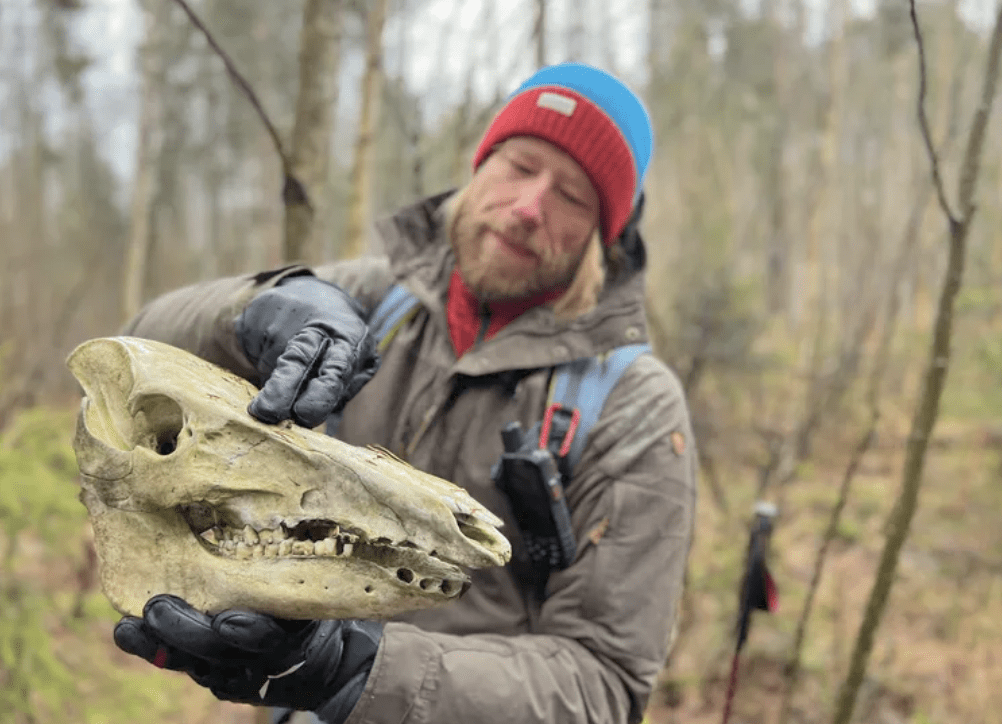
he Wolf Education project aims to expand knowledge about wolves, build ecological awareness among children and adults, and encourage direct experiences in nature.
Łukasz Długowski:
“I take people wolf-tracking very often… I see that they return transformed… This change is meaningful and leads to something lasting.” (Napędzani Marzeniami)
— A “leaflet” about wolves in the Borecka Forest
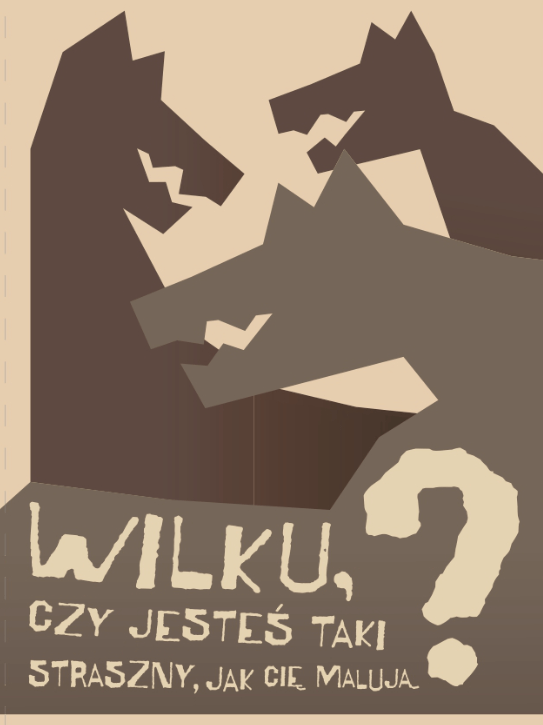
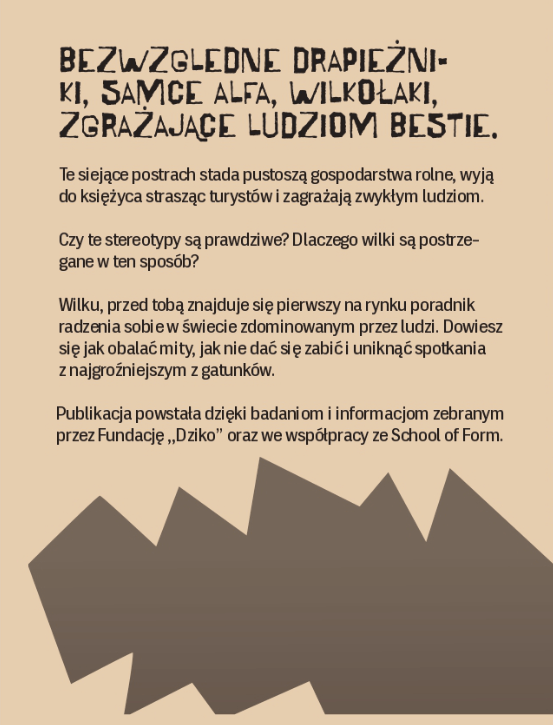
Alpha males, werewolves, human-threatening beasts, ruthless predators. Packs that wreak havoc on farms, howl at the moon frightening tourists, and pose danger to ordinary people.
But are these stereotypes true? Why are wolves perceived this way?
Wolf, before you is the first guide on how to survive in a world dominated by humans.
You will learn how to debunk myths, avoid getting killed, and steer clear of the most dangerous species of all
You came into the world cared for by your parents and wolf siblings — your father bravely provided food for your nursing mother, and later they taught you how to survive on your own: how to hunt, roam, and start your own wolf family.
The belief that a wolf pack is a violent hierarchy arose from observing unrelated wolves confined in enclosures in a Swiss zoo in 1934. Researcher Rudolf Schenkel drew conclusions that led to the incorrect term “alpha male.”
Similar errors would arise if we tried to understand human life by observing prisoners. Just as prison is not our natural environment, a zoo is not a natural environment for wolves.
Wolf, like every living creature, you need to eat. Hunting is extremely difficult — your favourite prey, hoofed animals, are highly skilled at escaping. Despite your determination, only about 2 out of 10 hunts end in success, so when you’re hungry, you instinctively look for what is easiest.
Livestock animals are an easy target, but they make up only 3% of your diet! Are you afraid of something? Humans, perhaps? We know this fear decreases when you have pups and desperation kicks in. In spring and autumn you visit pastures more often — and then the creature you fear most appears: the human.
The solutions are known and scientifically proven: shepherds and guardian dogs, electric fencing, fladry, and closing animals for the night.
We know you’re clever — when these are poorly installed, you can get around them.
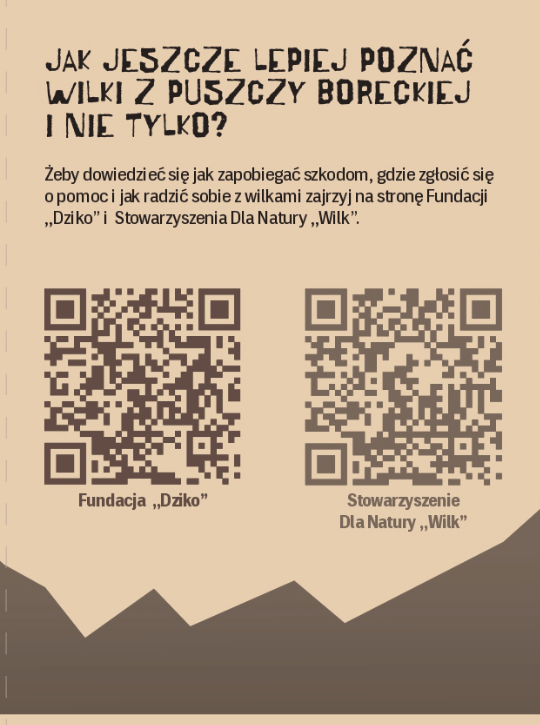
But there is something you fear most: the human voice and light, especially when emitted at irregular intervals. To prevent your attacks, people need knowledge — provided by the DZIKO Foundation and the Association for Nature “Wolf
Wolf, you know all too well that you may encounter not-so-friendly representatives of Homo sapiens. Your fear of humans is deeply rooted — thousands of years of persecution have etched this instinct into your DNA. Because of your occasional livestock predation, myths, and lack of knowledge, people fear you as well.
People don’t really know how many of you live in Poland. Rumour has it that there are over 2,000 individuals nationwide, and your territories can be quite large. In an area the size of Warsaw, one wolf family — typically 4–6 individuals — may live.
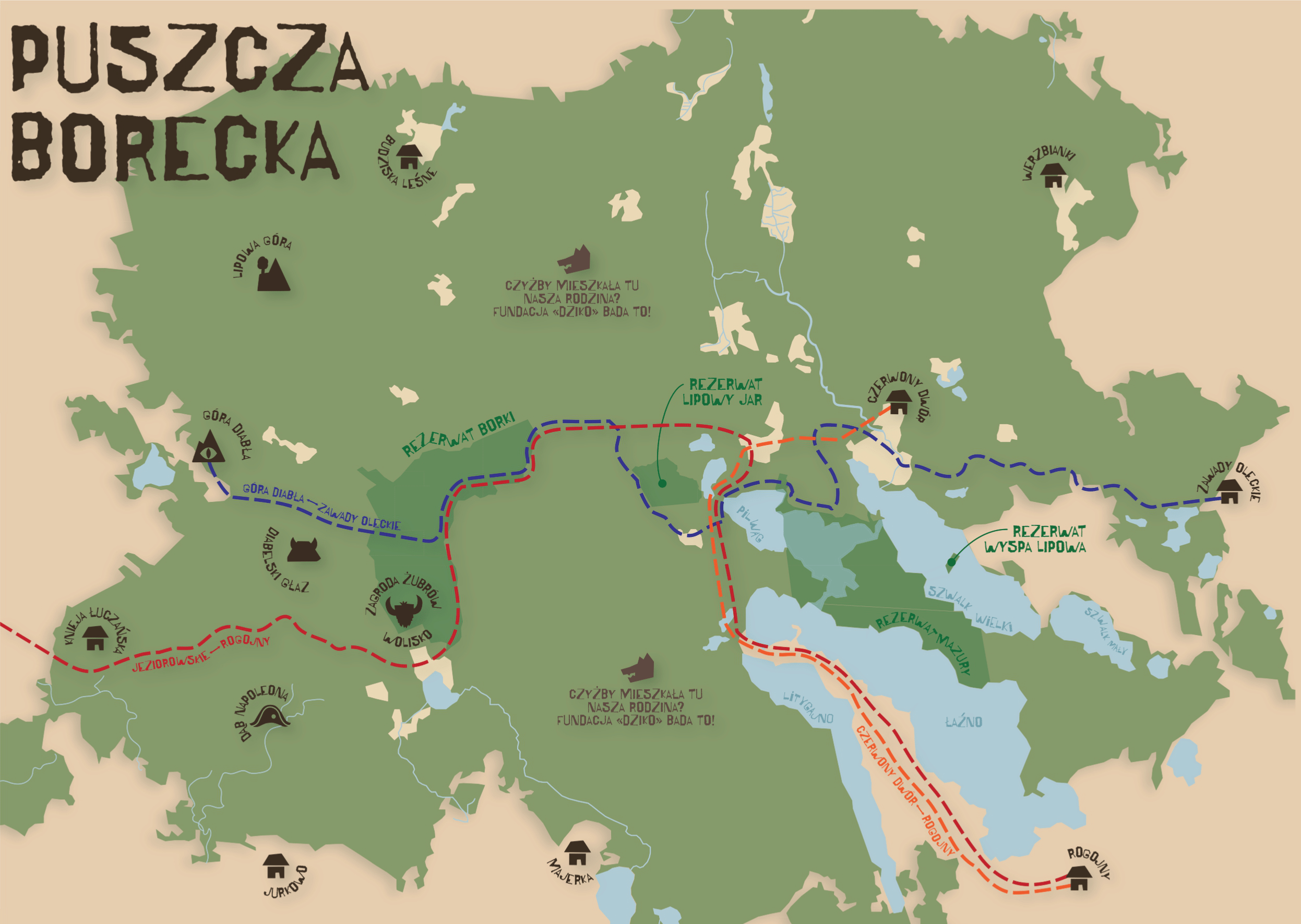
But how many of you live in the Borecka Forest, and where do you hide?
We still don’t know, because no one has studied it. The local DZIKO Foundation, led by Łukasz Długowski, has begun solving this mystery by conducting wolf monitoring. Will they uncover the truth? We will find out within the next two years.
Although you do not hunt humans and are very afraid of them, people remain concerned. Occasionally, awkward encounters happen. We know, wolf — your eyesight is poor, and from several dozen meters you cannot tell whether you’re seeing a deer or a human. But all it takes is for a person to wave their arms, clap, shout, speak, or move — and you instantly know that deer don’t walk on two legs, and that smell… it’s human, not animal. Then you sprint away into the forest!
Sometimes people encounter wolf pups — and like all children, they are curious and don’t want to leave. Throwing pinecones, stones, or sticks in their direction is usually enough to remind them of what the adult wolves taught them — to flee.
There is still a lot of hostility and fear toward wolves. Myths dominate. But coexistence is possible with knowledge and understanding. Wolf, the DZIKO Foundation will be studying you in the Borecka Forest — don’t worry, it’s only to help both wolves and people. They will explain where and how you live, what to do when we meet you, whether you are truly dangerous, and how to make it harder for you to hunt cows, sheep, and goats (sorry but not sorry).
The Borecka Forest is both our home and yours — so we must find a way to live together.
People don’t really know how many of you live in Poland. Rumour has it that there are over 2,000 individuals nationwide, and your territories can be quite large. In an area the size of Warsaw, one wolf family — typically 4–6 individuals — may live.
But how many of you live in the Borecka Forest, and where do you hide?
We still don’t know, because no one has studied it. The local DZIKO Foundation, led by Łukasz Długowski, has begun solving this mystery by conducting wolf monitoring. Will they uncover the truth? We will find out within the next two years.
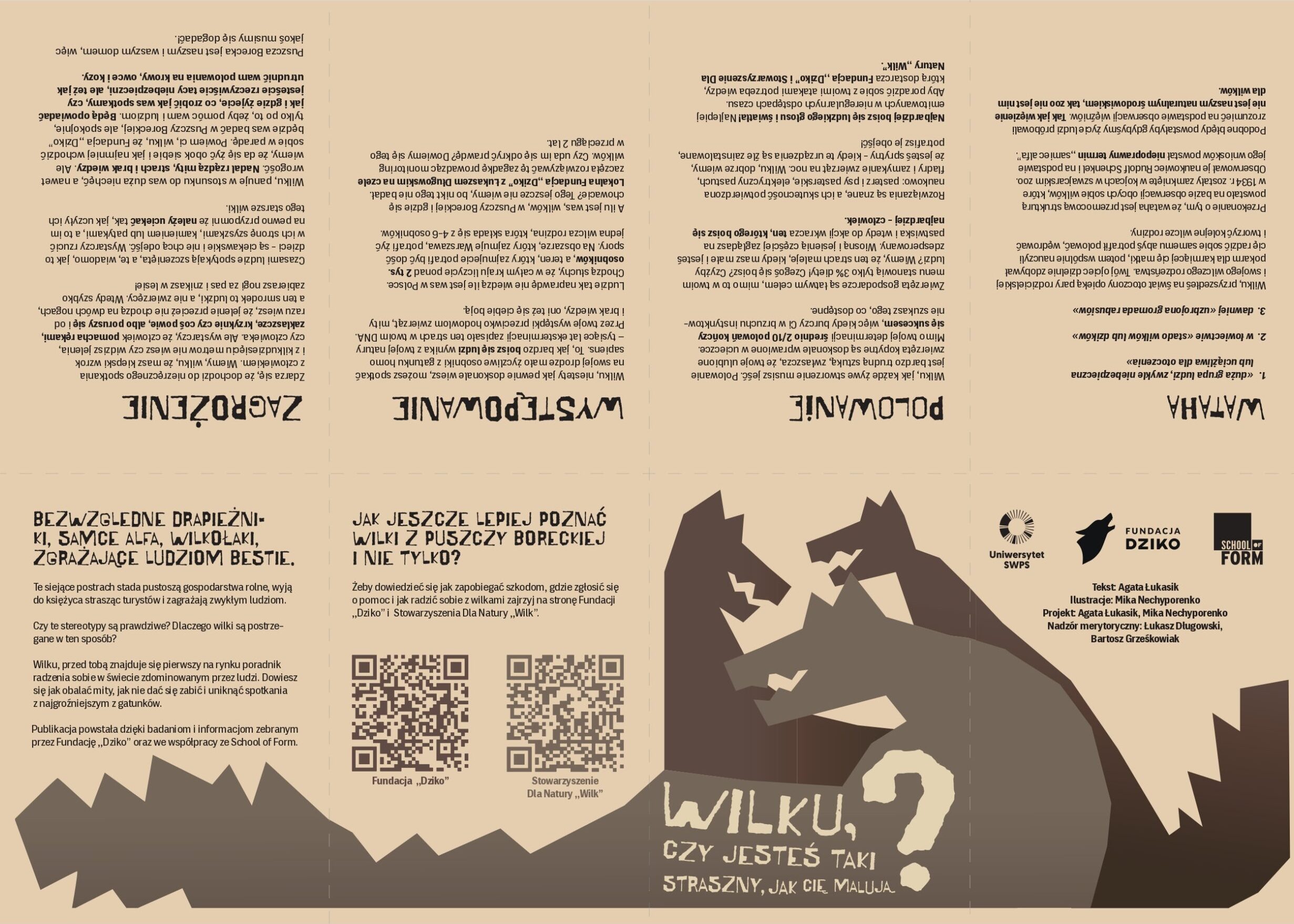
This publication was created thanks to research and information gathered by the DZIKO Foundation and in cooperation with School of Form.
Graphic design: Mika Nechyporenko and Agata Łukasik — students of the School of Form at SWPS University in Warsaw.