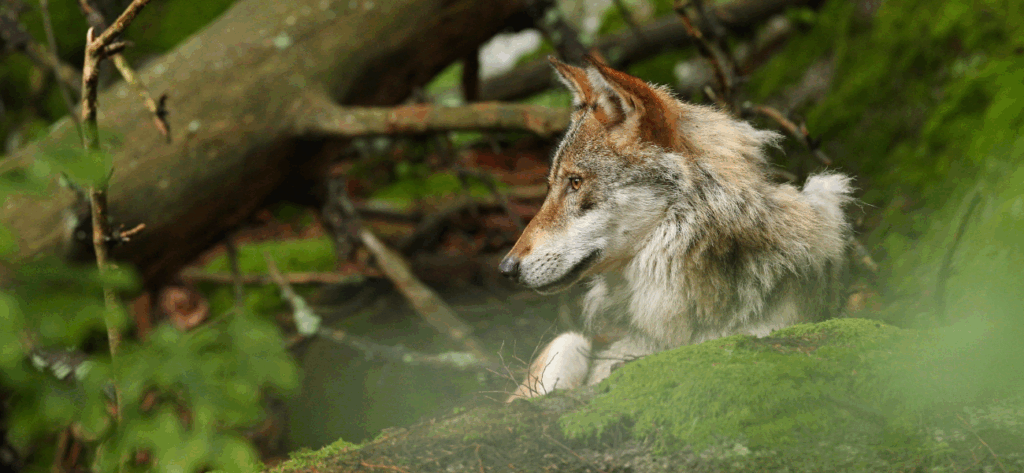
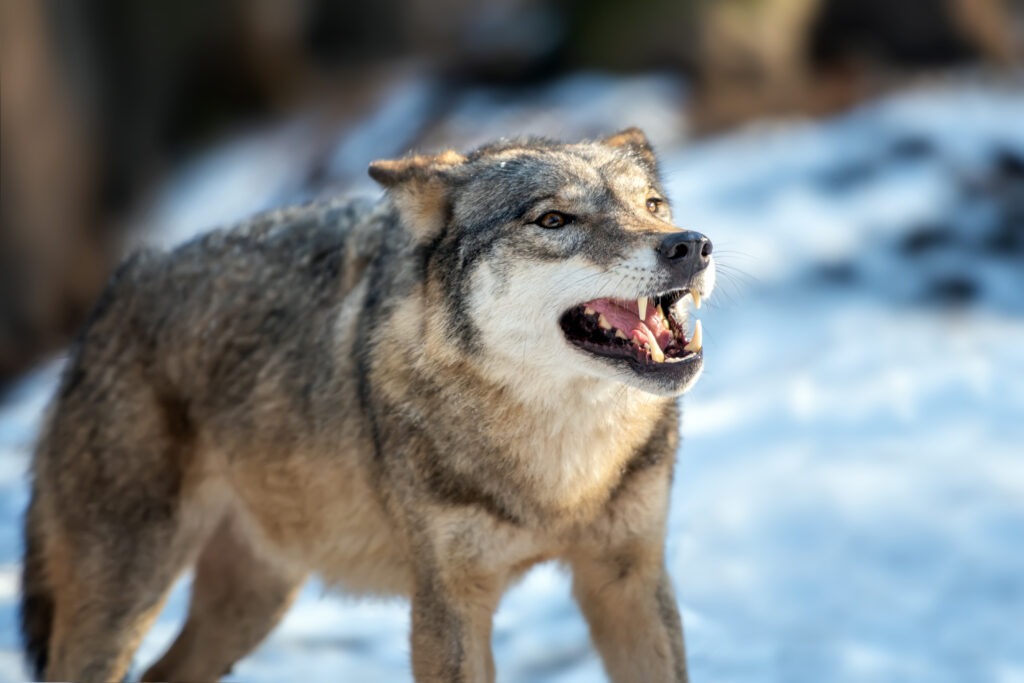
Have you ever wondered just how much humans impact wild nature? Recent research published in Current Biology reveals that wolves and their prey live in constant fear of humans, who have become what scientists call “super predators.”
Fear that Shapes Ecosystems
The study, conducted across more than 1,000 km² of forests, agricultural lands, and human-inhabited areas, found that wild animals can sense human presence and react with fear. This applies not only to traditional hunters but also to human activities such as tourism, movement through habitats, and general human presence.
This fear changes animal behavior—reducing their daytime activity and making them avoid areas with heavy human traffic. These behavioral shifts ripple through ecosystems, affecting population dynamics and triggering trophic cascades
What This Means for Nature Enthusiasts and Expedition Participants
Understanding how deeply wild animals fear humans helps us better plan our trips, ensuring we minimize our impact. On expeditions such as those offered by Totem Expeditions, we don’t just track wolves and their signs; we learn their world and behavior, respecting their space and peace.
This responsible approach makes adventures thrilling and educational while protecting these magnificent creatures and their habitats.
We invite you to join us on unforgettable wolf tracking journeys that combine excitement, knowledge, and respect for the wilderness. Experience the magic of the wild side of nature with Totem Expeditions.
Auuuu! We use cookies to ensure that we give you the best experience on our website. If you continue to use this site we will assume that you are happy with it.